Calculated result
594pavers
Pavers to order
Formula
LAND-PAVER-001Patio area ÷ paver face area × (1 + waste)
120 ft²
Patio area
0.22 ft²
One paver face
540 pavers
Base paver quantity
Landscaping calculator
Patio area, individual paver face coverage, and whole-paver order quantity.
By Feroz Sheikh · Formula LAND-PAVER-001 v1.0.0 · Tested formula
LAND-PAVER-001v1.0.0Enter your measurements. Switching units converts the same project, including coverage and unit rates. Package yields keep the unit printed beside each field.
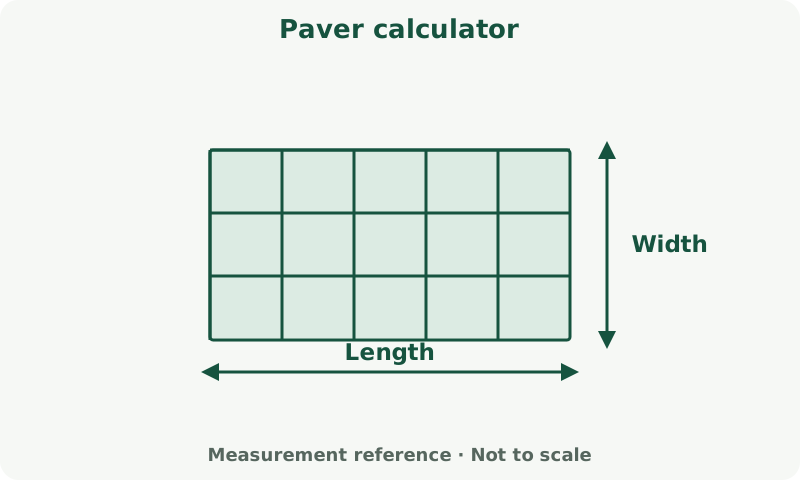
Calculated result
Pavers to order
LAND-PAVER-001Patio area ÷ paver face area × (1 + waste)
Patio area
One paver face
Base paver quantity
Planning estimate, not engineering advice. Confirm site measurements and product specifications. Calculation limits.
This calculator counts whole pavers from patio area and the face of one unit, plus a cut allowance. Formula LAND-PAVER-001 v1.0.0. Base and polymeric sand are companion tools. Add the count to an estimate. Pattern extras stay a field count.
Size chart
Base and polymeric sand are companion tools. Pattern extras stay a field count.
| Patio | Primary | Check |
|---|---|---|
| 8 × 8 ft | 317 pavers | 64 ft² |
| 10 × 10 ft | 495 pavers | 100 ft² |
| 12 × 10 ft | 594 pavers | 120 ft² |
| 16 × 12 ft | 951 pavers | 192 ft² |
Metric example — 4 × 3 m patio. A 4 × 3 m patio of 8 × 4 in pavers with 10% waste returns 640 pavers.
Enter supplier prices and any labour, equipment or delivery costs. Pick a currency — badges, inputs, and totals follow.
Costs use the bulk-yard, bag or truck-load rate you type. Construclytic does not fetch quarry or nursery prices. Delivery, fabric and edging stay separate lines. For GCC projects, select QAR, AED, SAR, KWD, OMR or BHD and enter local supplier rates.
How this calculator works
 Feroz SheikhWritten by Feroz Sheikh · founder
This calculator divides a rectangular patio area by the face coverage of one paver and rounds to a whole-paver purchase quantity after a stated allowance.
Paver counts use the selected paver face, then waste. Herringbone and 45° layouts need more cuts than a stack bond. Base and polymeric sand are companion takeoffs.
This separate example uses the calculator's starting values in imperial units. It stays unchanged when you edit the tool above. Example rates, yields and dimensions are assumptions, not recommendations for your project.
| Input | Example value |
|---|---|
| Patio length | 12 ft |
| Patio width | 10 ft |
| Paver length | 8 in |
| Paver width | 4 in |
| Waste factor | 10 % |
Example result: Pavers to order — 594 pavers.
Patio area ÷ paver face area × (1 + waste)
Use the labelled units above when reproducing this example. To work in metric, switch the calculator to Metric; applicable measurements are converted, while product-specific units remain labelled.
Need the broader workflow? Read the landscaping planning guide.
How-to: Landscape fabric rolls: plan overlaps without adding them twice · How to count patio pavers
Questions
No. Add base, bedding sand, edge restraint and jointing material as separate estimate lines.
Pavers are purchased as whole pieces and field cuts can require spares; the allowance remains visible before rounding.
A 12 × 10 ft patio of 8 × 4 in pavers with 10% cut waste returns 594 pavers. Base and polymeric sand are companion tools.
Herringbone and circles need more cuts. Raise the waste field; do not hide extras inside patio length.
This paver calculator publishes formula LAND-PAVER-001, version 1.0.0. The ID stays on the result and on the estimate line.